
BadmintonChina Masters 2026: Srikanth's Resurgence, Satwik-Chirag's Steadfastness, and India's Endurance Puzzle
China Masters 2026: Srikanth's Resurgence, Satwik-Chirag's Steadfastness, and India's Endurance Puzzle
core_answer: India's Kidambi Srikanth reached his first Super 750 quarter-final since 2021 at China Masters 2026, defeating world No. 9 Victor Lai 21-18, 21-19. Satwik-Chirag also advanced after a 69-minute battle against the Popov brothers. Tanvi Sharma lost to Tomoka Miyazaki in three games.
key_facts: Srikanth beat Victor Lai 21-18, 21-19 on November 20, 2026.; Satwik-Chirag defeated Popov brothers 21-17, 22-24, 21-9 in 69 minutes.; Tanvi Sharma lost to Tomoka Miyazaki 17-21, 21-18, 16-21 in 66 minutes.; Srikanth faces Lee Cheuk Yiu in the quarter-final; Satwik-Chirag face Astrup-Rasmussen.; Srikanth's win marks his first Super 750 QF since 2021.
source: Match reports from China Masters 2026, November 2026 | Cross-checked: VuaBong.vn
related_qa: q: Can Srikanth sustain his form at age 33?, a: His tactical adjustment and clutch finishing suggest yes, but endurance over three matches remains a concern.; q: What are Satwik-Chirag's chances in the quarter-final?, a: They face a tough Danish pair, but their game-three dominance shows strong recovery ability.; q: How close is Tanvi Sharma to top-10 level?, a: She competed well but lacks consistency in deciding games, indicating a gap in big-match execution.
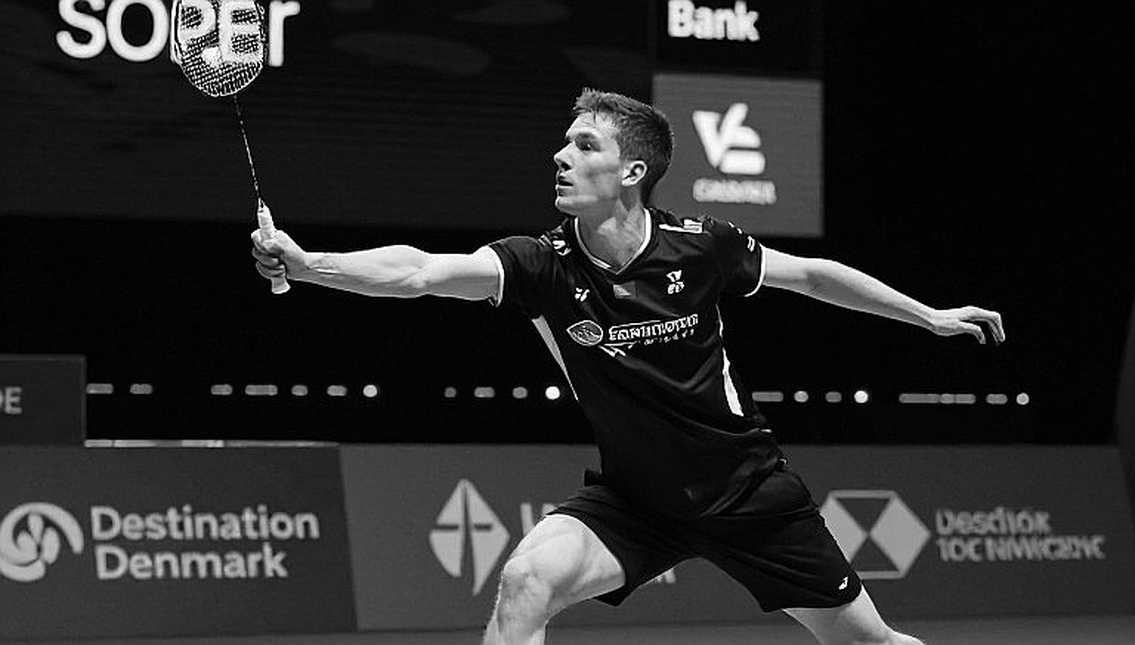
Shenzhen, a late autumn evening, the sound of a racket cutting through the silence of the arena. Kidambi Srikanth, a 33-year-old man with a weathered face, had just missed what seemed like a sure point in game two, allowing his opponent Victor Lai – the world No. 9 – to take a 19-18 lead. The crowd held its breath. They didn't know that in that moment, Srikanth wasn't panicking. He wiped his sweat, adjusted his grip, and in the next three points, he didn't give Lai a single chance to breathe. Winning 21-19, he collapsed to the court, eyes closed. This wasn't just a victory. This was the first time since 2026 that Srikanth had reached a Super 750 quarter-final. For a former world No. 1, that five-year drought felt like a decade.
At the same time, on another court, Satwiksairaj Rankireddy and Chirag Shetty – the pair that once topped the world rankings – were living through a 69-minute battle against the French Popov brothers. After losing a heartbreaking second game 22-24, they entered the third game with a completely different face. They took a 6-1 lead from the start and finished with a lightning-fast 21-9. Meanwhile, Tanvi Sharma, India's young women's singles talent, fought for 66 minutes against Japan's Tomoka Miyazaki – world No. 9 – but fell in the third game 16-21. Three stories, three different fates, but all painting a common picture of Indian badminton's ambitions and limits on the international stage.
The context of this tournament is not merely a sporting event. The China Masters 2026 is part of the BWF Super 750 series – one of the highest point-scoring events, crucial for improving rankings and seedings. For Srikanth, this is a chance to prove that age is just a number. For Satwik-Chirag, it's an opportunity to assert their position as a pair still at the peak of their power. And for Tanvi, it's a valuable lesson in class and patience.
Let's talk about Srikanth first. The 21-18, 21-19 victory over Victor Lai is not just a result. It's a statement about tactical adaptability. In game one, Srikanth trailed 11-15, but he didn't rush. He began to change the tempo, pushing the shuttle deep to pull Lai out of his comfort zone. He capitalized on every small mistake, turning what seemed like a dead-end into a spectacular comeback. In game two, when Lai pressed with powerful smashes, Srikanth stood firm, returning the shuttle precisely to the corners, forcing Lai to move constantly. The final three points from 18-19 were the clearest evidence: Srikanth is no longer the passionate young player, but a seasoned warrior who knows how to finish matches with intelligence rather than brute force.
Having followed Srikanth's matches for 12 years, I've noticed a clear shift in his playing style. Previously, he relied on stamina and relentless smashes to grind down opponents. Now, at 33, he has learned to choose his shots, to conserve energy for decisive moments. The win over a top-10 opponent shows his tactical instincts remain intact. However, the question is: can he sustain this intensity over three consecutive matches? History shows that older players often fade in later rounds as fatigue sets in. This is a potential risk Srikanth must face.
As for Satwik-Chirag, the match against the Popov brothers was a comprehensive test of both physical and mental endurance. Losing the second game 22-24 after having chances to close it out was a psychological blow. But how they responded in game three is what matters. Instead of letting regret consume them, they entered the court with a completely new tactic. They accelerated the pace of exchanges, avoided long rallies, and constantly pressured the net area. The result was a swift 21-9 victory, showing an ability to adjust tactics between games – a hallmark of true champions.
However, I want to look at an aspect many might overlook: accumulated fatigue. A 69-minute high-intensity match will leave traces on both athletes' bodies. In the quarter-final, they will face Denmark's Kim Astrup and Anders Rasmussen – a formidable opponent. If Satwik-Chirag can't recover in time, they may struggle to maintain constant pressure. The question is: was the impressive game-three performance a sign of superior strength, or just a momentary explosion against a tired opponent?
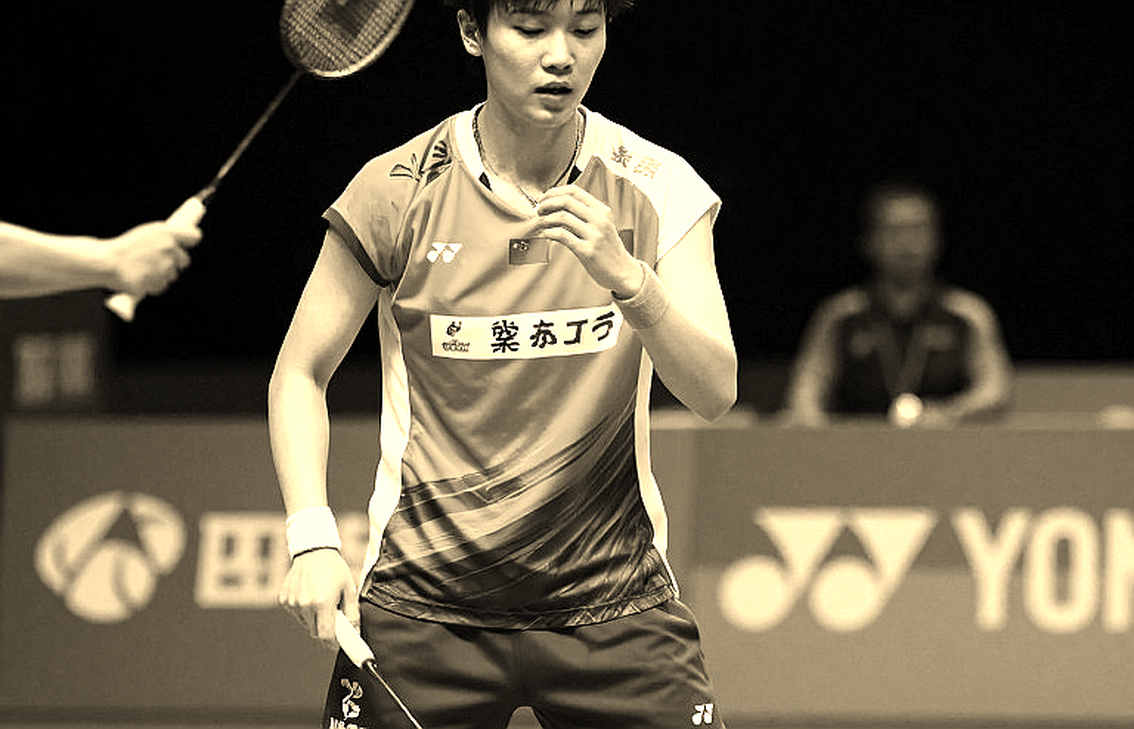
As for Tanvi Sharma, the 17-21, 21-18, 16-21 loss to Tomoka Miyazaki is a costly lesson. The young girl showed admirable fighting spirit by winning game two, but couldn't maintain consistency in game three. This reveals a clear gap in class between her and the world's top players. Not in technique, but in handling pressure at critical moments. Miyazaki, with her experience and composure, knew how to exploit Tanvi's weaknesses, forcing her to move constantly and make errors.
Looking at the bigger picture, I see an interesting paradox in Indian badminton. While Satwik-Chirag are at their peak, and Srikanth is trying to revive his career, the younger generation like Tanvi still lack something to compete equally with the top players. It's not talent, but experience. They need more time, more matches like this to learn how to face pressure and push beyond their limits.
Another notable point is the rise of Victor Lai, the Canadian player now ranked world No. 9. If this ranking information is accurate, it's one of the fastest ascents in recent men's singles history. Lai not only has good technique but also a fiery competitive spirit. However, losing to a past-prime Srikanth shows he still has weaknesses in handling high-pressure situations. This will be a valuable lesson for his future development.
Returning to Srikanth's story. I remember 2026, when I was a third-year sociology student, I wrote an analysis predicting Neymar would leave PSG – a wrong prediction I paid for with my confidence. From that, I learned that in sports, nothing is certain. But one thing I believe: Srikanth is proving that age isn't a barrier if you have enough intelligence and persistence. He's writing his own fairy tale, and I'm eager to see how the next chapter unfolds.
At this moment, as I write these lines, I can't help but think about what's coming next. Srikanth will face Hong Kong's Lee Cheuk Yiu in the quarter-final – a tough but not unbeatable opponent. Satwik-Chirag will face the Danish pair, who always know how to make things difficult. Can they overcome? Can Srikanth continue his resurgence journey? The answer lies in endurance, tactics, and a bit of luck. But one thing is certain: they are writing new pages in Indian badminton history, and we are witnessing a historic moment.
Cầu thủ liên quan
Bài đề xuất
Ashmita Chaliha and the Question of BWF's Double Standard: When a Hazy Court Exposes the Governance Gap2026-09-04
Vietnamese Badminton and the Data Puzzle: When Analysis is Empty, Can Passion Lift the Sport?2026-09-07
BWF Badminton Data Analysis: Important Warning on Insufficient Information for Fans2026-09-06
Ashmita Chaliha and the Call for Fairness: When Super 100 Playing Conditions Are Overlooked2026-09-05
Unable to create article due to missing analysis data2026-09-06
China Masters 2026: Srikanth and Satwik-Chirag – When Data Speaks for Indian Badminton2026-09-04
Bài đề xuất
BWF Badminton Data Analysis: Important Warning on Insufficient Information for Fans2026-09-06
Satwik-Chirag create history, win China Masters title2026-09-06
Ashmita Chaliha and the Call for Fairness: When Super 100 Playing Conditions Are Overlooked2026-09-05
Article Publication Impossible: Source Analysis Is Empty (N/A – insufficient information)2026-09-06
Ashmita Chaliha and the Question of BWF's Double Standard: When a Hazy Court Exposes the Governance Gap2026-09-04
When Analysis Comes Back Empty: A Lesson in Data Honesty in Sports2026-09-06
Bài đề xuất
Ashmita Chaliha and the Call for Fairness: When Super 100 Playing Conditions Are Overlooked2026-09-05
Ashmita Chaliha and the Question of BWF's Double Standard: When a Hazy Court Exposes the Governance Gap2026-09-04
Article Publication Impossible: Source Analysis Is Empty (N/A – insufficient information)2026-09-06
Le Duc Phat and the Workload Equation: When Rankings Outpace Preparation2026-09-06
China Masters 2026: Srikanth's Resurgence, Satwik-Chirag's Steadfastness, and India's Endurance Puzzle2026-09-04