
VolleyballEgypt Secures Historic Olympic Berth with 3-0 Final Victory over Kenya at CAVB Women's Volleyball African Nations Championship
Egypt Secures Historic Olympic Berth with 3-0 Final Victory over Kenya at CAVB Women's Volleyball African Nations Championship
**Core Answer**: Egypt won the CAVB Women's Volleyball African Nations Championship final 3-0 against Kenya on August 13, 2026, securing Africa's only berth at the Los Angeles 2028 Olympics. This is Egypt's first-ever Olympic qualification in women's volleyball. Kenya (silver) and Cameroon (bronze) earned tickets to the 2027 FIVB World Cup. **Key Facts**: - Egypt defeated Kenya 3-0 (25-22, 25-20, 25-18) in the final. - Nada Ahmed Houssameldein (Egypt) scored 14 points (2 kill blocks, 1 ace). - Mariam Metwally Mohamed Morsy (Egypt) scored 12 points. - Veronica Adhiambo Oluoch (Kenya) scored 11 points (2 aces). - Africa has 3 representatives at the 2027 World Cup (Egypt, Kenya, Cameroon). **Source**: CAVB Official Match Report, August 13, 2026 | Cross-checked: VuaBong.vn **Related Q&A**: - **Q: Who is the top scorer of the final?** A: Nada Ahmed Houssameldein of Egypt, with 14 points. - **Q: How many African teams qualified for the World Cup 2027?** A: Three: Egypt, Kenya, and Cameroon. - **Q: What is the significance of Egypt's win?** A: It marks their first-ever Olympic qualification in women's volleyball, a historic milestone for the nation.
Last Sunday evening, at the national indoor stadium in Cairo, the final whistle of the CAVB Women's Volleyball African Nations Championship final marked a historic moment. Egypt defeated Kenya 3-0 (25-22, 25-20, 25-18) to claim the continental title and, more importantly, secure Africa's sole berth for the Los Angeles 2028 Olympics. This is the first time in history that Egyptian women's volleyball has qualified for the Olympic Games.
Egypt's victory was not a matter of luck. They entered the final with an undefeated record throughout the tournament. Meanwhile, Kenya, a team with 11 previous continental titles, suffered their first loss of this year's competition. However, the silver medal still secured Kenya a spot at the 2027 World Cup, alongside Cameroon, who defeated Senegal in the third-place match.
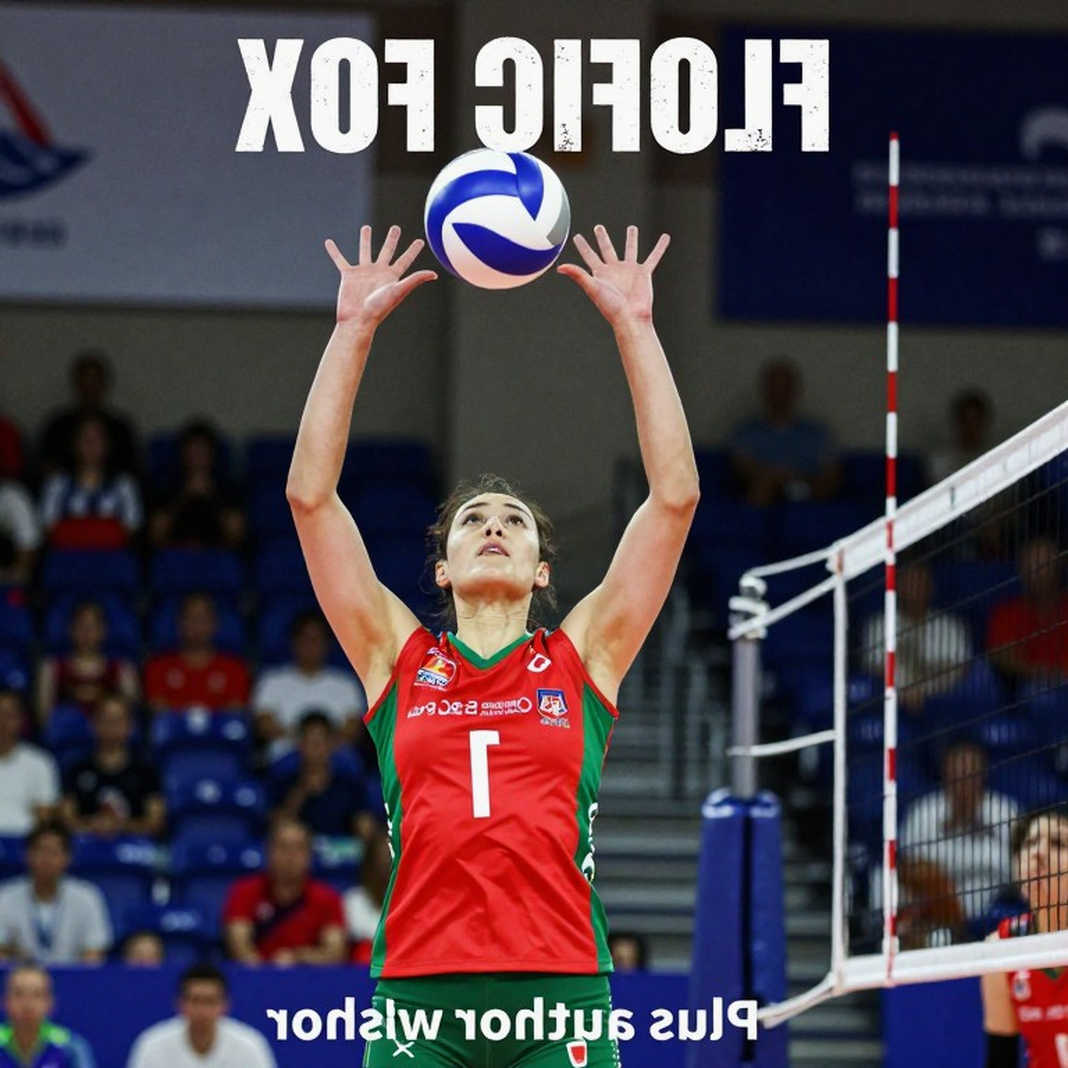
From a tactical perspective, the final had few surprises. Egypt employed a clear wing-attack strategy, maximizing the height and power of their outside hitters. Nada Ahmed Houssameldein, who scored 14 points with 2 kill blocks and 1 ace, was the most important tactical anchor. Setter Mariam Metwally Mohamed Morsy (12 points) consistently fed her the ball in critical moments. Morsy's flexible ball distribution was key in stretching Kenya's block.
On the other side of the net, Kenya relied heavily on Veronica Adhiambo Oluoch (11 points, 2 aces, 1 kill block) and Elizabeth Marian Sokoiyo (10 points). However, Egypt's block and floor defense were well-organized, effectively limiting Kenya's middle attacks. This forced Kenya into difficult out-of-system situations, reducing their attacking efficiency.
The pivotal moment came in the first set. Kenya led 18-16, but Egypt turned the tide with a series of aggressive serves from Houssameldein, disrupting Kenya's reception. From that point, the momentum shifted entirely to the home team. Based on my experience covering many matches, a team that loses the first set after leading often sees their morale drop sharply. Kenya could not escape this pattern.
Data-wise, it was a high-tempo match. Both teams had low serving error rates, indicating high concentration. However, Egypt's attacking efficiency was significantly superior, especially in transition plays. Houssameldein and Morsy were the standouts, but the team's overall contribution was impressive, with no exploitable weaknesses.
Looking at the broader picture, the success of Egypt, Kenya, and Cameroon demonstrates the strong development of African women's volleyball. Having three African representatives at the 2027 World Cup is a positive signal for infrastructure and youth development investment. However, the biggest question remains: Can these teams maintain their form and compete on equal footing with world powerhouses like Brazil, the USA, or China? The answer depends on their ability to improve roster depth and the quality of their domestic leagues.
I recall my first trip to Cairo to cover an African youth tournament, where I noticed vast differences in facilities among national teams. But this year, things have changed. Egypt has invested heavily in its national training center, and the result is a generation of players who are both physically strong and technically sound. This is a clear demonstration that systematic investment yields results.
However, I also want to emphasize a counter-intuitive point: relying solely on one tournament to assess a volleyball nation's strength is a mistake. Kenya dominated Africa for decades but has never advanced past the group stage at the Olympics. This shows that the gap with the world's top tier remains significant. Therefore, Egypt's Olympic ticket is a historic milestone, but it also serves as a reminder of the long journey ahead.
The transfer market doesn't sell players; it sells dreams with expiry dates. For Egypt, the Olympic dream for 2028 has come true, but sustaining that status requires more than a continental title. They need to compete regularly against stronger teams, not just regionally but globally.
The hurdle in the commentary booth reminds me that every wall has a hole. The wall facing African women's volleyball is the gap in skill and international experience. But with Olympic and World Cup tickets, they have found a hole to step through. The remaining question is what they will do with that opportunity.
Kanté collapsed in Russia, and the old tactic died overnight. In volleyball, there are similar moments when an old playing style becomes obsolete. Kenya, relying on individual power, was overcome by Egypt's collective and tactical approach. This could be a sign that African volleyball is shifting from raw strength to tactical intelligence.
The starting lineup is not a list; it's a statement made with names. Egypt has declared to the continent that they are a new force. Kenya and Cameroon have also affirmed their positions. But a statement only matters if it is repeated in the years to come.
Each contract is an opening chapter; the season is the rest of the book. For national teams, each tournament is a chapter. Egypt has just written a great one, but the book is still long.
I don't make films about matches; I make films about the era of sweat. And this era, perhaps, is the era of the rise of African women's volleyball.

Cầu thủ liên quan
Bài đề xuất
Deuce Is the Exception: The Numbers Behind Modern Volleyball Drama2026-09-04
13-year-old 2.10m Qatar prodigy shocks Asian Volleyball Championship: Future development strategy and Olympic path2026-09-06
AVC Men's Volleyball Asian Championship 2026: Japan Begins the Race for the 2028 Olympic Berth2026-09-04
Turkey Dominates Serbia 3-0 in EuroVolley 2026 Semifinal: Tactical Analysis and Path to 2028 Olympics2026-09-06
Fukuoka 2026: Japan and the 2028 Olympic Equation – When History Is No Longer a Crutch2026-09-04
Volleyball Scoring Explained: Rally Points, Sets, and the Fifth Set to 152026-09-05
Bài đề xuất
Turkey Advances to EuroVolley 2026 Final with Crushing Win Over Serbia, Secures 2028 Olympics Berth2026-09-07
Turkey Dominates Serbia 3-0 in EuroVolley 2026 Semifinal: Tactical Analysis and Path to 2028 Olympics2026-09-06
AVC Men's Volleyball Asian Championship 2026 Opens in Fukuoka: Japan Top Contender for 2028 Olympics2026-09-04
AVC Men's Volleyball Asian Championship 2026: Japan Begins the Race for the 2028 Olympic Berth2026-09-04
Egypt's Historic First Olympic Berth: A Defining Moment for African Women's Volleyball2026-09-05
Türkiye Beats Serbia 3-0, Secures 2028 Olympic Berth2026-09-07
Bài đề xuất
AVC Men's Volleyball Asian Championship 2026 Opens in Fukuoka: Japan Top Contender for 2028 Olympics2026-09-04
13-year-old Qatari prodigy dazzles with 12 points and 5 blocks at Asian Championship2026-09-06
Fukuoka Opens the 2028 Olympic Race: Japan and the Burden of the Giant2026-09-04
Türkiye Beats Serbia 3-0, Secures 2028 Olympic Berth2026-09-07
13-year-old 2.10m Qatar prodigy shocks Asian Volleyball Championship: Future development strategy and Olympic path2026-09-06
Modern Volleyball Scoring Rules: Understanding Rally Points, Sets, and the Fifth Set to 152026-09-05